Showing posts with label library of congress. Show all posts
Showing posts with label library of congress. Show all posts
Monday, April 16, 2012
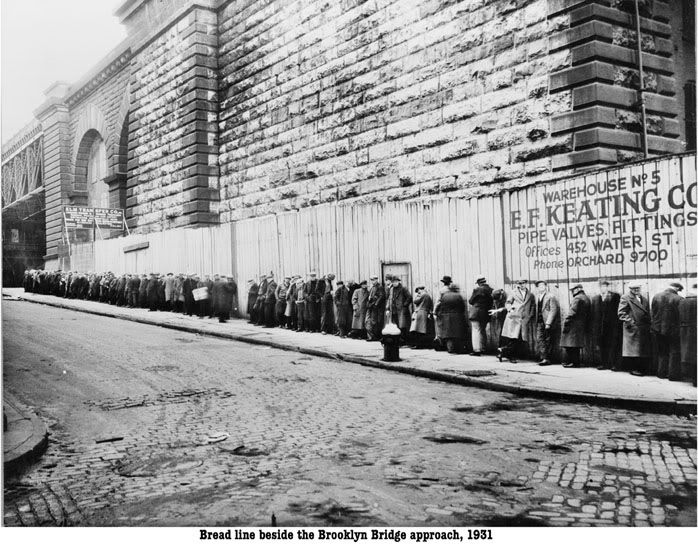
Bread Line On Dover Street: 1931


Sunday, November 27, 2011
49 Hester Street 1910
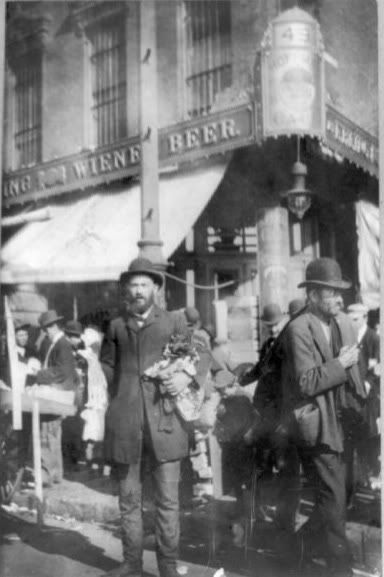
11 Hester Street 1896
Friday, October 28, 2011
PS 20: 1917 Draft Registration
originally from the early days of pseudo-intellectualism
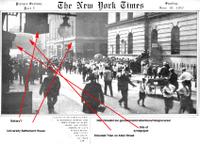 This incredible picture from the American Memory Collection (see url on image and search for "rivington") puts the last posting in perspective.
 This incredible picture from the American Memory Collection (see url on image and search for "rivington") puts the last posting in perspective.
Saturday, October 1, 2011
Friday, July 1, 2011
Sunday, January 2, 2011
Times Square 1943

Saturday, December 25, 2010
Friday, July 16, 2010

Monday, February 1, 2010
Wash Day: 1900
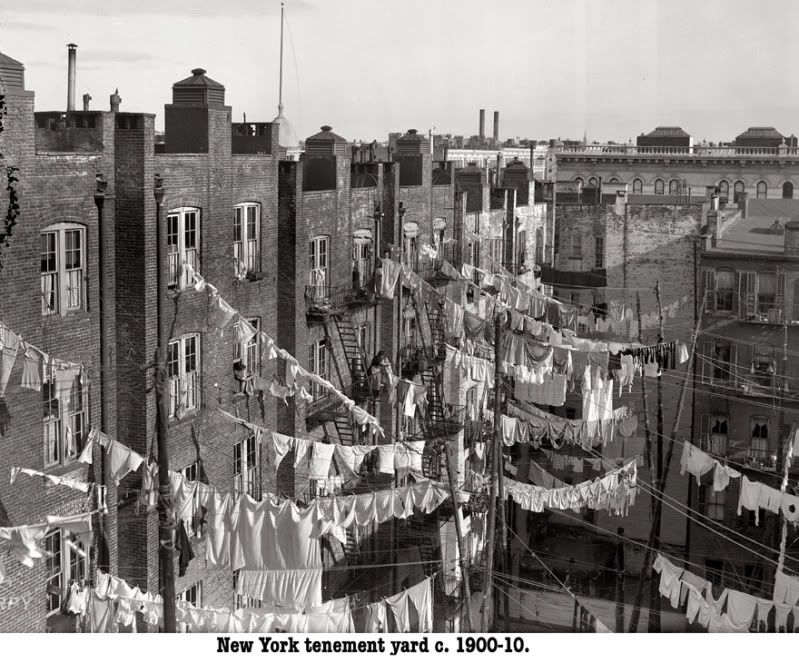
from the tenement museum
Housekeeping in the Tenements
Housekeeping in a tenement was no easy task for the women and children who generally did it. There were no automatic machines to wash and dry clothes and dishes or get the dirt off the floors and carpets. And for much of the nineteenth century, few tenements even had running water. Perhaps most importantly, tenement dwellers didn't have the household help which middle and upper class new Yorkers could afford.
One of the most basic household chores was taking out the trash to the garbage boxes on the street. Although there had been some street cleaning since the days of the Dutch, primarily done by "cartmen," the City did not organize a department of street cleaning until 1881. Effective street-cleaning, however, did not arrive until the appointment of George Waring to direct the department in 1895. Trash also tended to accumulate in the rear yards and airshafts of tenements. Another basic chore was keeping dust and dirt off the floors, rugs, and upholstery. During most of the nineteenth century, wood and coal burning stoves made the task difficult since they produced soot, which tended to get into just about everything. Gas burning stoves, standard by the 1930s, significantly alleviated this problem.
Women used the same tool to battle dirt and dust that had been used for centuries throughout the world - the broom. Until the twentieth century, brooms were made from twigs or tufts from a corn plant. Since brooms did little to remove dust from rugs and upholstery, these items had to be periodically taken outside and beaten. This was an important part of the annual spring cleaning. Mechanical carpet sweepers were invented in the late 1870s, but electric vacuum cleaners weren't common until the 1930s, and then still mostly among the middle class.
Since most tenements didn't have indoor plumbing until the turn of the century, water had to be brought in for baths, washing clothes and dishes, or cleaning the apartment itself. If hot water was needed it had to be heated on the stove. During the 19th century, laundry was usually washed outside by the water pumps - weather permitting - in order to save the labor of hauling it up or down dark tenement stairways. Of course if the tenement had indoor plumbing, as most did by the 1910, washing was done in the kitchen and the clothes were usually boiled in the water.
Under the best of conditions, the wet laundry was hung to dry on the roof or on clothes lines strung between buildings. But poor weather, water dripping from clothes on higher lines, pollution, falling refuse, and thieves frequently made it necessary to dry laundry in the kitchen. Ironing was done by heating several irons on the stove and then using them alternately as they cooled. Needless to say, it was hot and exhausting work. After the turn of the century, even the working poor began sending some of their clothes out to commercial laundries, frequently owned and run by Chinese immigrants. While many middle class Americans had their own automatic washing machines by the 1930s, tenement dwellers didn't often have the money or the space and continued to use commercial laundries.
The kitchen was generally the central work-place of a tenement apartment, especially if it had running water, which most did after the tenement act of 1901. Families hooked up their stoves (which they usually brought with them in the 1870s) to the kitchen chimney, and it was here that food preparation, cooking, and eating took place. Because tenements had no reliable food storage facilities (the refrigerator was common in middle class households in the 1930s, but not in working class tenements), children were sent to purchase food as many as three times a day. During the 1870s, children also helped their mothers by scavenging for wood and coal to use as fuel in their stoves. Since few tenements had central steam heat as late as the 1930s, stoves were usually used for heating as well as cooking.
Women could earn money for their housekeeping labor if they took in boarders. Part of the boarder's rent was often meant to pay for the woman (or women) of the tenement apartment to do the boarder's laundry, cooking, cleaning, etc. However, this was the only time a monetary value was placed on this exhausting work.
Sunday, January 3, 2010
Sunday, November 29, 2009
Mary Malchiodi Of The Fourth Ward: Part 2
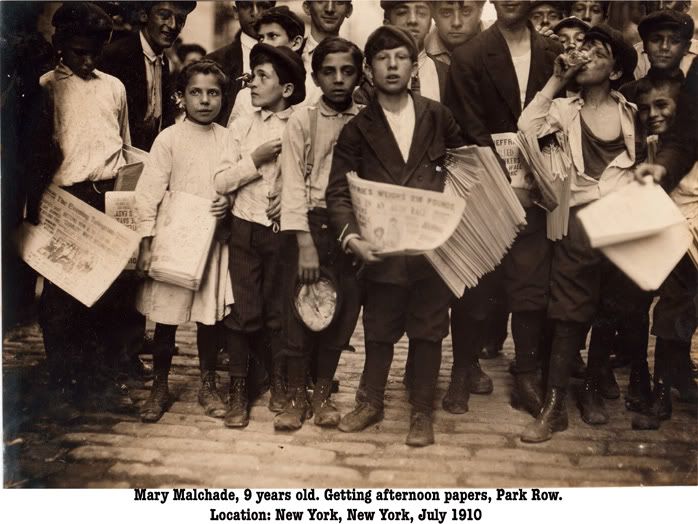 Here she is with her fellow news vendors a few months later than the previous photo. From what I can make out of the headline that the boy has on the left (I have a higher definition photo) it looks like the story referred to was the one below. I'm sure the dates given for the library of Congress photos may not be accurate. Newsies always wanted sensational stories to sell their "papes." Things haven't changed, especially in New York City with the Post and the News. I wonder what that boy on the right is swigging down?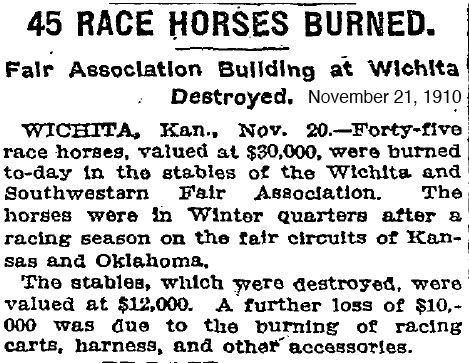
Saturday, November 28, 2009
Mary Malchiodi Of The Fourth Ward: Part 1
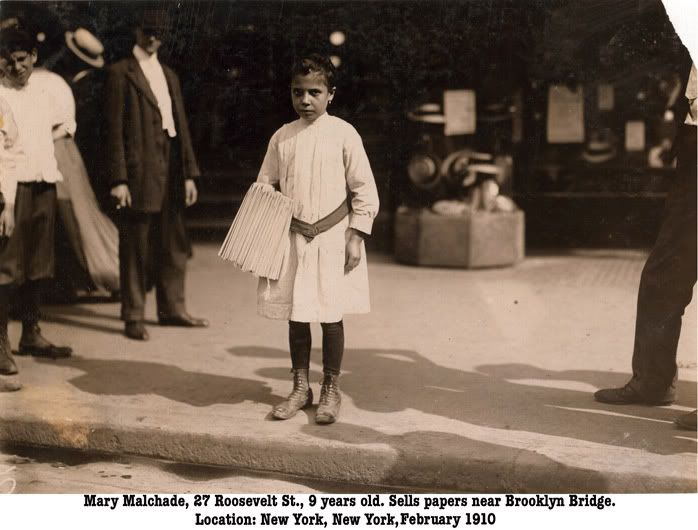
Lewis Wickes Hine has more than one picture of Mary in his study of newsboys and newsgirls over 100 years ago. They can be found on the Library of Congress site I believe her name was misspelled there because the census has no one named Malchade, whereas Malchiodi seems to be the closest common spelling. It looks like Mary might be wearing a sibling's pair of shoes since they look far too big for her.

Sunday, November 15, 2009
Wednesday, October 28, 2009
Coney Island Images: From Library Of Congress
Coney Island Dreamland
The last image is from the Coney Island Mardi Gras in 1906. More about the Mardi Gras and what went on there.
The last image is from the Coney Island Mardi Gras in 1906. More about the Mardi Gras and what went on there.
Saturday, October 10, 2009
Venice Theater On Park Row: 1940
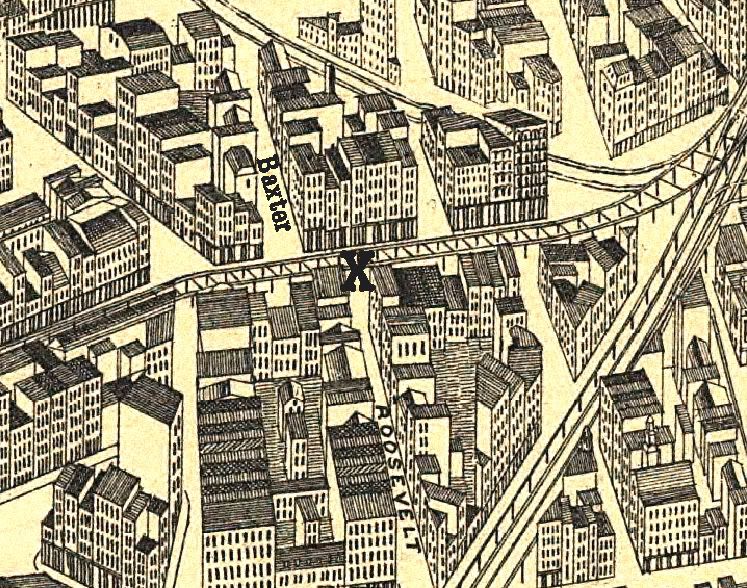

A follow up to story about Mazie told to me by Bruno in Tanahey Park last week
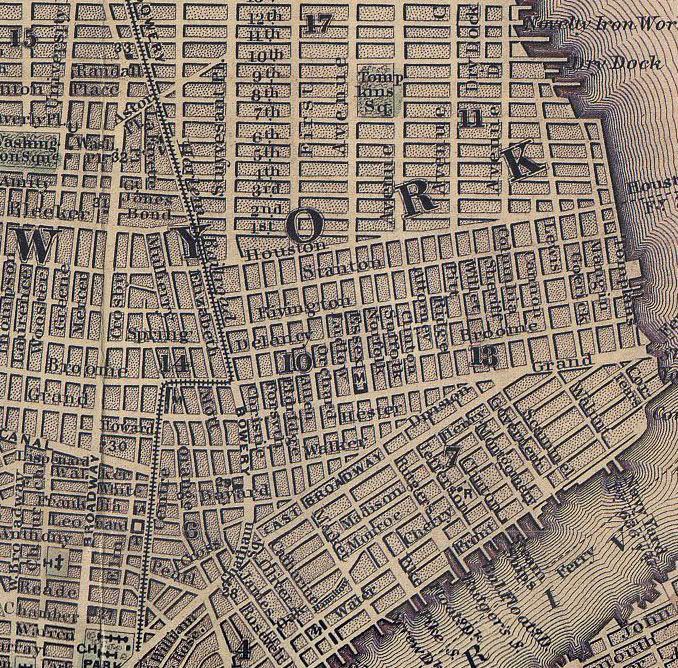
Bruno probably lived near where the X is the top map before he moved to Knickerbocker Village. It's a section I cropped from the Galt Hoy map (circa 1900) found on the library of congress site. In the bottom section you can see the Venice Theater where Mazie Phillips (Gordon) worked.
Wednesday, July 15, 2009

Subscribe to:
Posts (Atom)


 Posts
Posts